Are you thinking about giving your leased car a fresh new look with a wrap? Maybe you want to add some personal style or protect the paint without making permanent changes.
But before you take the plunge, you might be wondering—can you actually put a wrap on a leased car? It’s a question that can save you from unexpected fees or lease violations. You’ll discover the key facts you need to know, so you can make the best choice for your ride and your wallet.
Keep reading to find out how to safely customize your leased vehicle without risking your lease agreement.
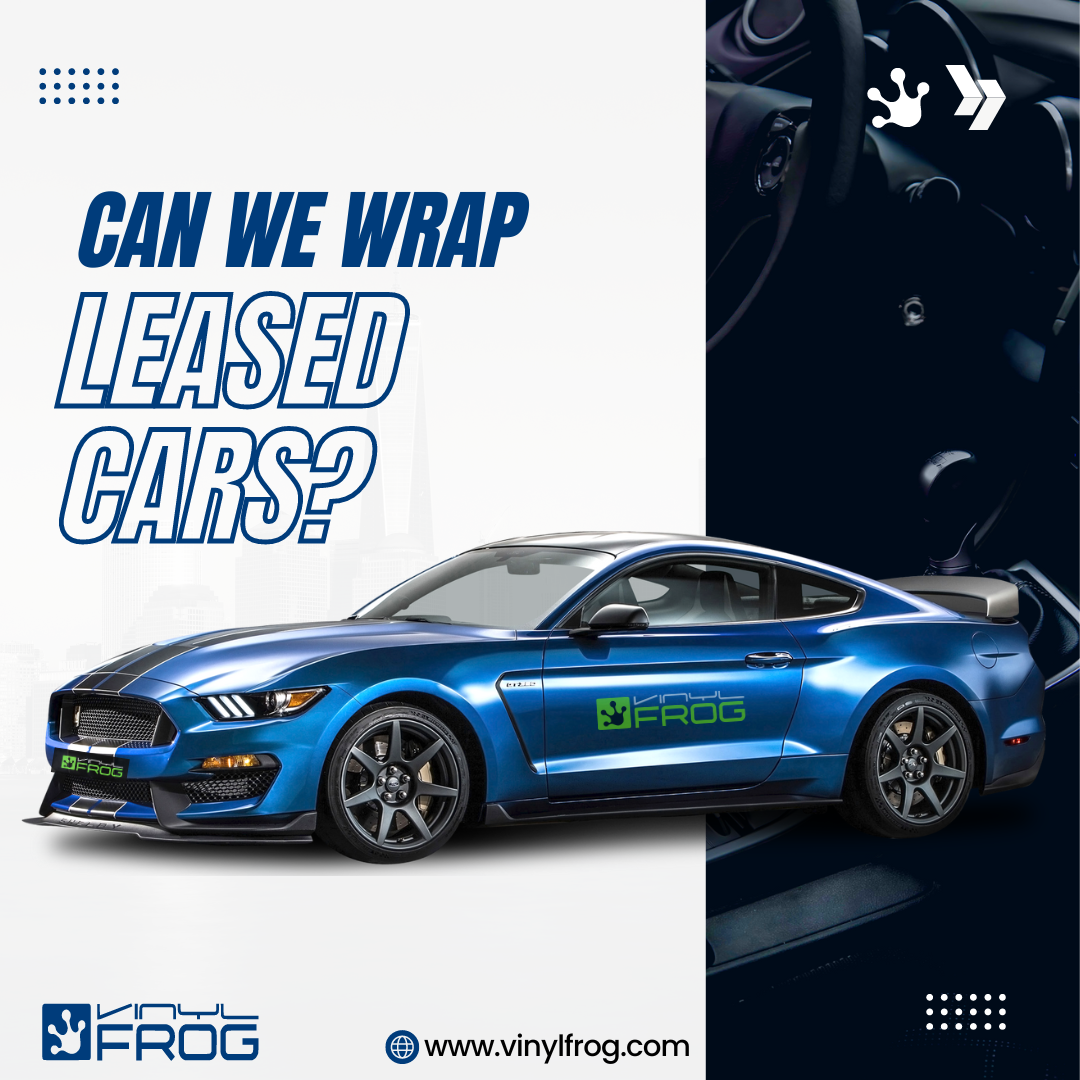
Credit: www.vinylfrog.com
Leased Car Wrap Basics
Wrapping a leased car is a popular way to change its look without permanent changes. Many people wonder if it is allowed and what it involves. Understanding the basics of car wraps helps make a smart choice.
Car wraps cover the vehicle’s original paint with a special vinyl film. This film can show colors, patterns, or even ads. It protects the car and can be removed later. Knowing these facts is important before wrapping a leased car.
What Is A Vehicle Wrap?
A vehicle wrap is a large vinyl sticker. It sticks to the car’s outside surface. This vinyl can cover the entire car or just parts of it. Wraps come in many colors and finishes like matte, glossy, or satin.
The wrap changes the car’s look without paint. It is less permanent and easier to remove. Vinyl wraps protect the car’s paint from small scratches and sun damage. This makes wraps popular for leased cars.
Benefits Of Wrapping A Car
Wrapping a car can save money on paint jobs. It hides scratches or dents and keeps the car looking new. Vinyl wraps protect the original paint from weather and road damage.
Leased car owners like wraps because they can remove them before returning the car. This avoids penalties for paint damage. Wraps also allow personal style or business advertising without harm.
.jpg?length=1920 "Can You Put a Wrap on a Leased Car? Essential Tips Revealed")
Credit: www.raccoon.co.uk
Lease Agreement Considerations
Before putting a wrap on a leased car, understanding your lease agreement is vital. The lease contract has rules that protect the car owner and the leasing company. These rules often include limits on modifications like wraps. Knowing these limits helps avoid extra charges or problems when returning the car.
Checking Lease Restrictions
Most lease agreements list what you can and cannot do to the car. Some leases strictly forbid any changes to the car’s exterior. Others may allow changes but require the car to be returned to its original state. Review your lease documents carefully. Look for sections about modifications, damage, and return conditions. This step can save you from unexpected fees.
Getting Approval From Leasing Company
Contact your leasing company before applying a wrap. Ask if they allow car wraps and what rules apply. Some companies need written permission before any change. They may also want you to use specific types of wraps. Getting approval avoids breaking your lease terms. It also protects your security deposit. Always keep proof of approval for future reference.
Choosing The Right Wrap
Choosing the right wrap for a leased car takes careful thought. The wrap should protect the vehicle and look good. It also must be easy to remove later. Picking the right material and color helps with all these points.
Good choices make the car stand out and keep the lease safe. It is smart to understand the options before making a decision. This way, the wrap fits your style and the lease rules.
Material Options
Vinyl is the most popular material for car wraps. It is strong and flexible. This material sticks well but peels off without damage. It also resists water and dirt. Vinyl wraps protect the car’s paint from scratches.
Another option is cast vinyl. This type is thinner and lasts longer. Cast vinyl molds well around curves and edges. It is perfect for detailed designs. Both materials work well for leased cars.
Matte, gloss, or satin finishes come with these materials. Each finish changes the look and feel of the wrap. Choose one that fits your style and use.
Color And Finish Choices
Colors range from bright reds to deep blues. Neutral colors like black, white, and gray also look great. Choose colors that match your personality or brand.
Glossy finishes shine and catch the eye. Matte finishes give a smooth, modern look. Satin finishes fall between glossy and matte. They offer a soft shine without too much glare.
Think about how easy the wrap will be to clean. Dark colors may show dirt less. Light colors can make the car look bigger. Finish and color affect the car’s overall style and upkeep.

Credit: wrapguys.com
Installation Process
Wrapping a leased car involves applying a vinyl film over the vehicle’s surface. This process changes the car’s look without damaging the original paint. Understanding the installation steps helps decide the best way to wrap your leased vehicle. Careful preparation and precise application are key to a neat finish.
Professional Vs Diy Wrapping
Professionals use special tools and skills to wrap cars quickly and smoothly. They prepare the car by cleaning and sometimes removing parts like mirrors. The vinyl is heated and stretched to fit curves perfectly. This method reduces bubbles and wrinkles, giving a clean look.
DIY wrapping is cheaper but harder. It needs patience and practice. You must clean the car well and work slowly. Mistakes can lead to bubbles or peeling. DIY kits often include instructions, but results vary by skill level.
Time And Cost Factors
Professional wrapping usually takes 1 to 3 days. The price depends on car size and wrap quality. Expect to pay several hundred to a few thousand dollars. Higher costs mean better materials and longer-lasting results.
DIY wrapping can take several days or weeks. It costs less but requires buying materials and tools. Mistakes might add extra costs for repairs or new wraps. Time and effort must be considered before starting.
Wrap Maintenance Tips
Maintaining a car wrap on a leased vehicle requires care and attention. Proper upkeep helps the wrap last longer and keeps the car looking good. Simple steps can prevent damage and keep the wrap clean. Follow these tips for easy wrap maintenance.
Cleaning And Care
Use gentle car wash soap and water to clean the wrap. Avoid strong chemicals or abrasive cleaners. Wash the car by hand with a soft cloth or sponge. Rinse thoroughly to remove all soap residue. Dry the wrap with a soft towel to avoid water spots. Regular cleaning stops dirt and grime from sticking to the wrap.
Avoiding Damage
Park the car away from sharp objects or rough surfaces. Avoid automatic car washes with brushes that can scratch the wrap. Keep the car away from harsh weather when possible. Protect the wrap from strong sunlight by parking in the shade. Do not use high-pressure water close to the edges of the wrap. Taking these steps prevents peeling and fading over time.
Removing The Wrap
Removing a wrap from a leased car requires care. The process must protect the car’s paint. Damage could lead to extra charges. Proper removal ensures the vehicle stays in good condition. It also helps avoid penalties from the leasing company.
Safe Removal Techniques
Start by warming the wrap with a heat gun or hairdryer. Heat softens the adhesive for easier peeling. Pull the wrap slowly and at a low angle. Avoid quick or sharp tugs that could damage paint. Use a plastic scraper to lift edges gently. Clean any leftover adhesive with a mild solvent safe for paint. Test the solvent on a small area first. Work in a shaded area to prevent heat damage.
Potential Fees Or Penalties
Leasing companies often inspect cars before return. Any damage from the wrap removal can cause fees. Paint damage or adhesive residue might need professional repair. This repair could cost hundreds of dollars. Some leases have specific rules about wraps. Breaking these rules can lead to penalties. Always read lease agreements carefully. Ask the leasing company about their wrap policies.
Impact On Lease End
Wrapping a leased car can affect what happens at lease end. The car must pass an inspection before return. The wrap might change how the car looks and feels. This could influence the inspection results and any fees you face.
Inspection And Wear Assessment
Lease companies check the car for damage and wear. They look for scratches, dents, and paint issues. A vinyl wrap covers the paint but might hide or cause damage underneath. Inspectors may peel a corner of the wrap to check the paint condition.
If the wrap is damaged or removed badly, the car might show more wear. This can lead to charges for repairs. A clean, well-applied wrap can protect the paint and reduce wear marks.
Negotiating Charges
You may face fees for wrap removal or paint damage. Discuss these charges with the leasing company early. Show proof of professional wrap installation and removal plans. This might help reduce or avoid extra costs.
Document the car’s condition before wrapping it. Photos and inspection reports serve as evidence. Clear communication can ease disputes over damage or fees at lease end.
Frequently Asked Questions
Can You Wrap A Leased Car Without Permission?
No, you should get permission from your leasing company before wrapping a leased car. Unauthorized wraps may violate your lease terms and cause penalties or extra charges.
Will A Car Wrap Damage My Leased Vehicle?
High-quality wraps typically do not damage the car’s paint if applied and removed correctly. However, improper installation or removal can cause paint issues or residue.
Can I Remove A Wrap Before Returning A Leased Car?
Yes, you can remove the wrap before lease-end. Removing it ensures the car returns to its original condition and avoids potential lease violations or fees.
Does Wrapping A Leased Car Affect Lease Return Inspection?
Wrapping can affect the inspection if it causes damage or leaves residue. Ensure the wrap is removed and the vehicle is clean to pass inspection.
Conclusion
Wrapping a leased car can be possible but needs care. Always check your lease agreement first. Some companies allow wraps, while others do not. Choose a wrap that won’t damage the paint. Remove the wrap before returning the car to avoid fees.
A good-quality wrap can protect your vehicle’s look. Think about your lease terms and the wrap’s condition. This way, you keep your car safe and avoid problems. Simple steps make the process easier and stress-free.