
If you own or are considering buying an older car, knowing how to read an old odometer is crucial. Unlike modern digital displays, these classic mechanical dials can be tricky to understand at first glance.
But don’t worry—you’re about to learn simple steps that will help you accurately check your vehicle’s mileage. Understanding your odometer reading can reveal important details about your car’s history and condition, helping you make smarter decisions. Ready to unlock the secrets hidden in those spinning numbers?
Keep reading, and you’ll gain the confidence to read any old odometer like a pro.
You May Like
No products found.
Locate The Odometer
To read an old odometer, the first step is to locate it on the dashboard. The odometer shows the total distance the car has traveled. It is usually placed close to the speedometer. Finding the odometer helps you understand the car’s usage and condition.
Odometers come in two main types. Newer cars have digital displays. Older cars use mechanical dials. Knowing which type your car has makes reading easier.
Digital Displays In Newer Cars
In newer vehicles, the odometer appears as a digital screen. Look inside the instrument cluster behind the steering wheel. The screen often shows “ODO” or “Mileage.” The numbers on this screen represent the total miles driven. You may need to switch on the ignition to see the display. The digital odometer is clear and easy to read.
Mechanical Dials In Older Cars
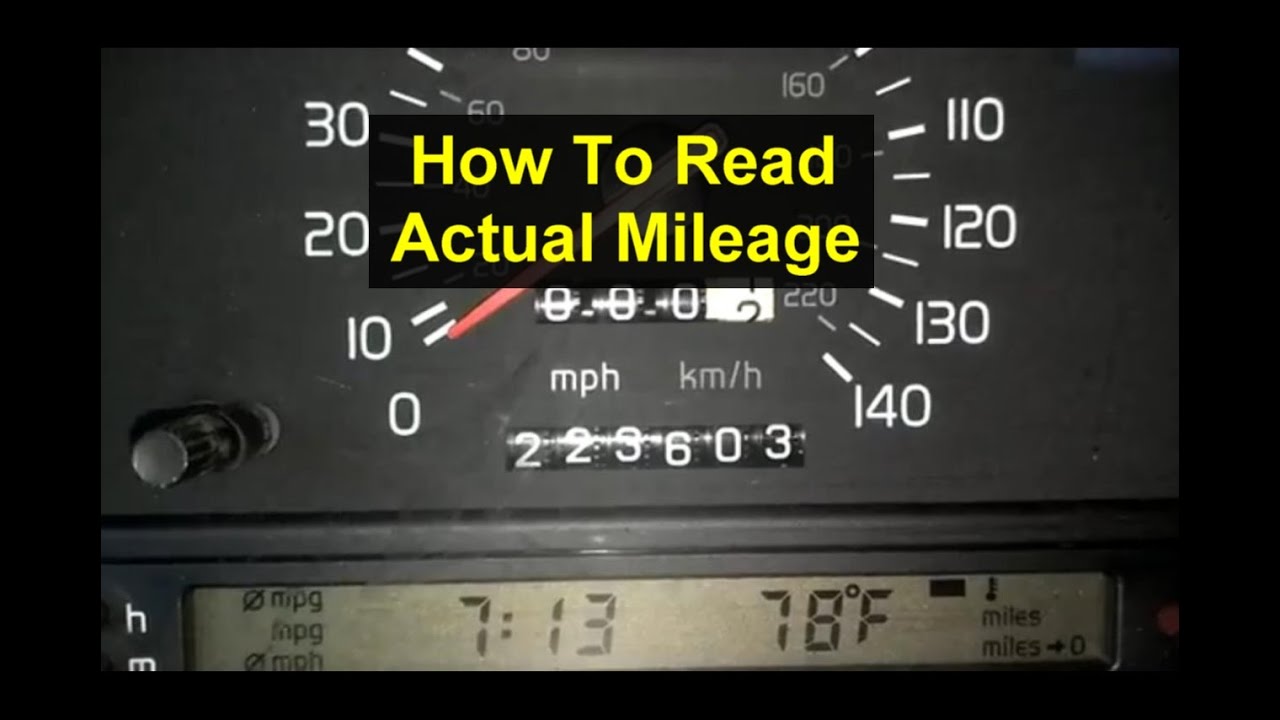
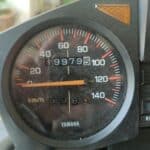
Older cars use mechanical dials to show mileage. These are small spinning wheels with numbers printed on them. The wheels turn as the car moves. Usually, the odometer is below or next to the speedometer. Read the numbers from left to right. Each wheel shows one digit of the total miles. The last digit might be smaller and show tenths of a mile. Check that all numbers are aligned and visible for an accurate reading.
Read The Odometer Numbers
Reading the numbers on an old odometer is simple once you know what to look for. These numbers tell you the total distance the vehicle has traveled. Understanding these digits helps you track usage and maintain your car properly.
Old odometers often have different sections displaying total mileage, trip readings, and even tenths of a mile. Each part shows important information about your vehicle’s journey.
Total Mileage (odo)
The total mileage or ODO shows how far the car has gone in its lifetime. It is usually the largest number on the odometer. This number increases steadily as you drive. Older odometers use rotating wheels with digits from 0 to 9. When the last digit hits 9, the next wheel turns by one. This way, the odometer counts miles continuously.
Look carefully to read all the digits. Some odometers have five or six digits. The number represents total miles or kilometers. This reading helps determine car value and maintenance needs.
Trip Meter Readings
The trip meter tracks distance for short trips. It resets to zero when you want to measure a new trip. This feature helps monitor fuel usage or driving distance between stops. Older trip meters are smaller dials beside the main odometer. They also use rotating numbers.
Check the trip meter before and after your trip. Press the reset button to clear it. This number resets without affecting total mileage.
Tenths Of A Mile
Some old odometers show tenths of a mile as the smallest digit. This digit changes quickly as the car moves. It helps measure short distances more precisely. Tenths appear as a small wheel or a decimal number on digital displays.
Use tenths of a mile for accurate trip tracking. This detail is useful for maintenance tasks or fuel calculations.
Turn On The Ignition
Turning on the ignition is the first step to read an old odometer. This action powers the dashboard and activates the odometer display. It lets you see the total miles the car has driven. The method varies depending on the car’s ignition system. Knowing how to turn on the ignition without starting the engine helps prevent unnecessary fuel use or engine wear.
Without Starting The Engine
Insert the key into the ignition slot. Turn the key to the first position. This position powers the dashboard lights and the odometer. Do not turn the key further to start the engine. The odometer will show the current mileage. Some older cars have a click or a slight resistance to signal the ignition is on. Check the odometer numbers carefully. Write them down if needed. This method works for most cars with traditional keys.
Using Start Button Cars
Press the start button without pressing the brake pedal. This action turns on the car’s electrical system. The dashboard lights and odometer display will activate. The engine will not start. Look at the odometer reading on the digital or mechanical display. Press the start button again to turn off the ignition. This method is common in newer cars with push-button start systems. It helps you read the odometer without running the engine.
Credit: www.youtube.com
Cycle Through Display Options
Cycling through the display options on an old odometer helps you see different mileage readings. It lets you switch from total miles driven to trip distances. This feature is useful for tracking short trips or monitoring fuel usage. Understanding how to cycle through these options makes reading your odometer easier and more accurate.
Switching Between Odometer And Trip Meter
Old odometers often show two main readings: the odometer and the trip meter. The odometer displays total miles the vehicle has traveled. The trip meter shows miles for a specific trip or period. You can switch between these by pressing a button or twisting a knob near the display. This action changes the numbers on the screen or dial. Checking both helps keep track of overall mileage and short trips separately.
Using Dashboard Controls
Dashboard controls allow you to cycle through the odometer’s display options. Look for buttons labeled “Trip,” “Reset,” or “Odo” near the speedometer. Pressing these buttons changes the display from total miles to trip miles or resets the trip meter. Some older cars use a small knob that you turn or push to switch views. Familiarizing yourself with these controls helps you read the odometer quickly and correctly.
Identify Signs Of Odometer Rollback
Identifying signs of odometer rollback helps reveal hidden mileage tampering. Checking the odometer carefully can save you from costly mistakes. Old odometers may show clues if someone tried to reduce the displayed miles. Learn to spot these signs to trust the vehicle’s true history.
Check For Number Alignment
Numbers on a genuine odometer line up evenly. Misaligned digits may indicate tampering. Look closely if some numbers sit higher or lower than others. Perfect alignment is rare in rolled back odometers. Spotting uneven numbers helps detect fraud quickly.
Look For Gaps Or Crooked Digits
Gaps between digits can show that numbers were moved. Crooked or tilted digits suggest manual adjustment. Old mechanical odometers have tightly packed numbers. Spaces or crookedness usually mean someone tried to change the reading. Watch for these irregularities carefully.
Inspect Physical Wear And Tear
Wear around the odometer can hint at rollback. Scratches or marks near the numbers may mean tampering tools were used. Compare the odometer’s condition to the car’s age. Excessive wear on a low-mileage odometer is suspicious. Check the dashboard and odometer area for damage.

Credit: www.youtube.com
Compare With Vehicle Records
Comparing the odometer reading with vehicle records helps verify the true mileage. This step ensures the number on the old odometer matches documented history. Consistent records reduce the risk of odometer fraud or tampering.
Checking multiple sources of information builds confidence in the accuracy of the reading. Vehicle records often include maintenance details and legal documents. These papers show the vehicle’s mileage at different times.
Maintenance Logs
Maintenance logs provide a timeline of services and repairs. Each entry usually notes the vehicle’s mileage at service. Comparing these numbers with the odometer reading reveals any discrepancies.
Look for regular updates in the log. Missing or inconsistent mileage entries can signal tampering. Accurate logs confirm the odometer’s reading is likely correct.
Title And Registration Documents
Title and registration documents also list the vehicle’s mileage. These official papers record the odometer reading at the time of ownership transfer or inspection. They serve as legal proof of mileage.
Compare the mileage on these documents with the odometer. Large differences may indicate rollback or errors. Consistent figures across documents support the odometer’s accuracy.
Tips For Accurate Mileage Reading
Accurate mileage reading from an old odometer requires careful attention. Understanding how to check and verify mileage helps maintain a vehicle’s value. It also ensures correct records for repairs or resale. Here are simple tips to get precise mileage readings.
Regularly Reset Trip Meter
The trip meter records miles traveled on a specific journey. Reset it before starting a trip to track exact mileage. This helps monitor distances without confusing total miles. Resetting often prevents errors and keeps mileage data clear. Use the trip meter to compare distances with the odometer reading for accuracy.
Use Digital Tools For Verification
Digital tools can check old odometer readings for accuracy. Apps and devices connect to the car’s system to read mileage data. They detect inconsistencies or possible rollbacks. Use these tools to confirm the numbers on mechanical odometers. Digital verification is simple and reduces human error in mileage reading.

Credit: www.reddit.com
Frequently Asked Questions
How To Read Mileage On An Older Car?
Locate the odometer on the dashboard near the speedometer. Turn the ignition on without starting the engine. Read the numbers on the mechanical wheels or digital display to see total miles driven.
How To Read An Analog Odometer?
To read an analog odometer, locate the rotating numbered wheels on your dashboard. Read the numbers from left to right. These numbers show the total miles driven. Ignore any decimal or tenths digits if present. This reading reflects your car’s mileage accurately.
How Do You Tell If An Old Odometer Has Rolled Over?
Check maintenance records for mileage jumps. Inspect the odometer for worn digits or misaligned numbers. Compare tire wear and vehicle condition with displayed mileage.
How To Read A Vehicle Odometer?
Locate the odometer on the dashboard near the speedometer. Turn the ignition on without starting the engine. Read the numbers displayed labeled “ODO” for total mileage. For digital odometers, use buttons to switch between total and trip mileage. Mechanical dials show spinning numbers representing miles driven.
Conclusion
Reading an old odometer takes patience and a careful eye. Check the numbers closely to avoid mistakes. Remember that older odometers may roll over after many miles. Look for signs of tampering or damage to ensure accuracy. Knowing how to read your odometer helps you track vehicle use and value.
Keep practicing, and soon it will become second nature. This simple skill saves money and builds your car knowledge.
Related posts:
 Is It Illegal to Have Led Lights Inside Your Car? Know the Facts!
 Can You Vinyl Wrap a Leased Car? Essential Tips Revealed
 Can You Leave a Laptop in a Hot Car? Shocking Risks Revealed
 Can You Put a Wrap on a Leased Car? Essential Tips Revealed
 Is It Legal to Drive Without a Windshield? Shocking Truth Revealed
 Is It Legal to Drive Without a Shirt? Shocking Truth Revealed!
 Is It Illegal to Park in Front of a Mailbox? Know the Rules Now!
 Is It Illegal to Blast Music in Your Car? Know the Laws Now
 Is It Illegal to Park in Front of a Driveway? Know the Rules!
 How to Read Odometer in Bike? Easy Steps for Accurate Tracking
