 Skip to content
Have you ever glanced at your car’s dashboard and wondered how to read the numbers spinning on that old-fashioned analog odometer? Understanding what those numbers mean isn’t just for mechanics or car enthusiasts—it’s something you can easily learn and use to keep track of your vehicle’s health, resale value, and maintenance schedule.
You’ll discover simple, step-by-step tips to confidently read your analog odometer, spot any irregularities, and make smarter decisions about your car. Keep reading, and you’ll never feel confused by those rotating wheels again!
You May Like

- SIZES: Speedometer & Tachometer – 85mm (3-3/8″).
- SIZES: Fuel Level, Water Temperature, Oil Pressure & Volt – 52mm (2-1/16″).
- Speedometer Cable Thread Size: 5/8″-18 UNF; Ratio: 1000 PRM = 60 MPH. Tachometer Fits Any 1 to…
- FEATURES: Swiss Stepper Motor Movement. Convex Glass Lens Surface, Stainless Steel Bezel &…

- SIZES: 85mm (3-3/8″). Speedometer Cable Thread Size: 5/8″-18.
- FEATURES: Swiss Stepper Motor Movement. Convex Glass Lens Surface, Stainless Steel Bezel &…
- FEATURES: Black Gauge Faceplate, White Needle. Light Bulb Illumination.
- PRODUCT DETAIL: This 0-140 MPH Speedometer Features A 1000 RPM = 60 MPH Ratio And 5/8″-18 UNF…

- SIZES: 85mm (3-3/8″). Speedometer Cable Thread Size: 5/8″-18.
- FEATURES: Swiss Stepper Motor Movement. Convex Glass Lens Surface, Stainless Steel Bezel &…
- FEATURES: White Gauge Faceplate, Black Needle. Light Bulb Illumination.
- PRODUCT DETAIL: 0 – 140 MPH.

- SIZES: Speedometer & Tachometer – 85mm (3-3/8″).
- SIZES: Fuel Level, Water Temperature, Oil Pressure & Volt – 52mm (2-1/16″).
- Speedometer Cable Thread Size: 5/8″-18 UNF; Ratio: 1000 PRM = 60 MPH. Tachometer Fits Any 1 to…
- FEATURES: Swiss Stepper Motor Movement. Flat Glass Lens Surface, Stainless Steel Bezel &…

- SIZES: 85mm (3-3/8″). Speedometer Cable Thread Size: 5/8″-18.
- FEATURES: Swiss Stepper Motor Movement. Convex Glass Lens Surface, Stainless Steel Bezel &…
- FEATURES: White Gauge Faceplate, Red Needle. Light Bulb Illumination.
- PRODUCT DETAIL: 0 – 140 MPH.

- SPEEDOMETER】: Old School Retro Speedometer with Crystal Acrylic, Looks Great on Your bike….
- 【EASY TO INSTALL】: Simple Installation Only Takes A Few Minutes. Mount The Reader on The…
- 【AUTO-RESET】: There’s No Reset Button. As A Mechanical The Odometer Will Turn to 0 When The…
- 【APPLICABLE】: Speed In RPM Odometer 24-27.5 Inch Wheels. For 26-27″ Road Bike, Mountain…

- SIZES: Speedometer & Tachometer – 85mm (3-3/8″).
- SIZES: Fuel Level, Water Temperature, Oil Pressure & Volt – 52mm (2-1/16″).
- Speedometer Cable Thread Size: 5/8″-18 UNF; Ratio: 1000 PRM = 60 MPH. Tachometer Fits Any 1 to…
- FEATURES: Swiss Stepper Motor Movement. Convex Glass Lens Surface, Stainless Steel Bezel &…

- Open a 85mm (3 3/8″) hole in the dashboard and allow a clearance of 55mm( 2 3/16”) behind the…
- Connection: Black wire-GND, Red-power(+), White-external button(+), Red/Yellow-Backlight,…
- 9-32V Working Voltage, Red and Yellow backlights available, Indication light: LEFT, HIGH BEAM,…
- Securely fasten GPS antenna, preferably outdoors (or inside front windscreen) so that it has a…

- Open a 85mm (3 3/8″) hole in the dashboard and allow a clearance of 55mm( 2 3/16”) behind the…
- Connection: Black wire-GND, Red-power(+), White-external button(+), Red/Yellow-Backlight,…
- 9-32V Working Voltage, Red and Yellow backlights available, Indication light: LEFT, HIGH BEAM,…
- Securely fasten GPS antenna, preferably outdoors (or inside front windscreen) so that it has a…

- SUITABLE MODELS: GPS speedometer Odometer for all cars, tractors, vans, motorcycle, racing,…
- SPEEDOMETER FUNCTIONALITY: Boat gps speedometer shows Current Speed, TRIP/COG(choose one),…
- EXCEPTIONAL QUALITY: The mph speedometer gauge has the advantages of high precision, quick…
- EASY INSTALLATION: Digital gps speedometer before installation,to open a 85mm (3 3/8″) and…
Credit: www.youtube.com
Analog Odometer Basics
Understanding the basics of an analog odometer helps you read it correctly. These devices track the distance a vehicle has traveled using mechanical parts. Knowing how they work gives insight into their readings and common features. This knowledge is useful for drivers and car buyers.
What Is An Analog Odometer
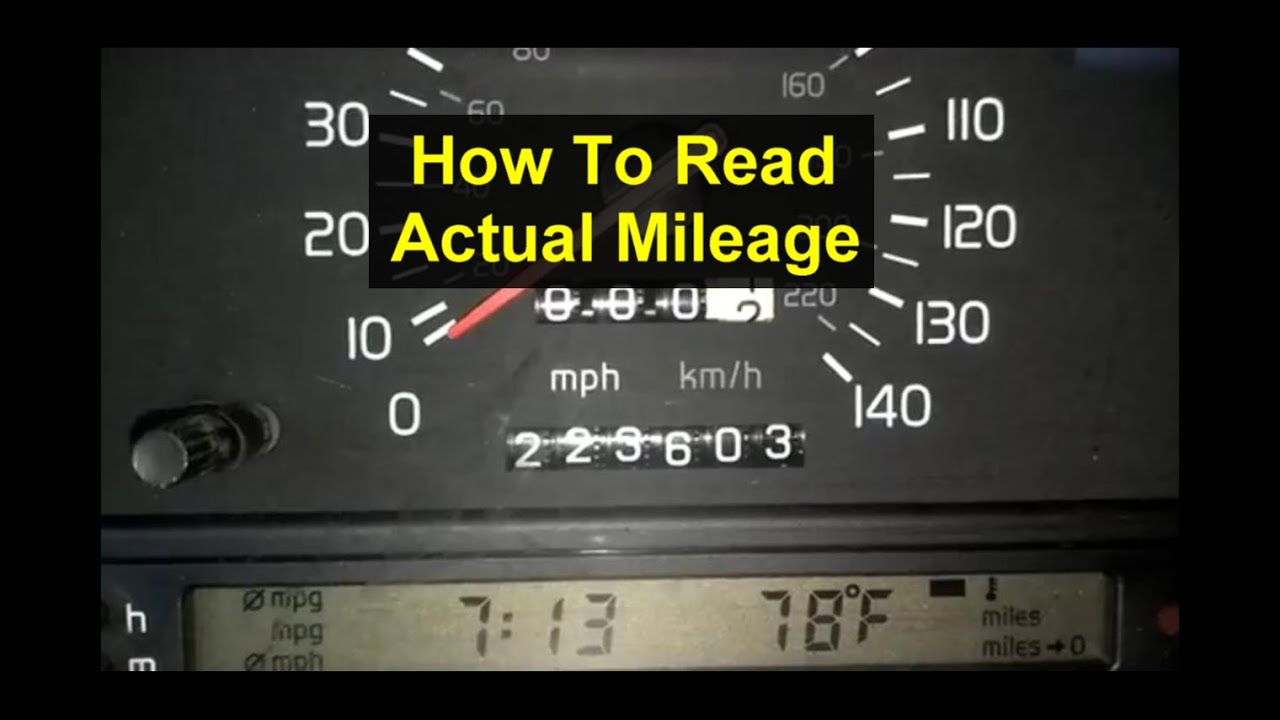
An analog odometer is a mechanical device that measures distance. It shows the total miles or kilometers a vehicle has traveled. Unlike digital odometers, it uses rotating number wheels to display the reading. These wheels turn as the vehicle moves, updating the distance shown.
How Mechanical Odometers Work
Mechanical odometers connect to the vehicle’s transmission by a flexible cable. When the wheels turn, the cable rotates. This rotation turns a series of gears inside the odometer. Each gear moves a number wheel on the display. The numbers increase as the vehicle covers more distance.
Common Features Of Analog Odometers
Analog odometers usually have five or six number wheels. Each wheel represents one digit of the total distance. The rightmost wheel counts tenths of a mile or kilometer. Numbers are aligned in a row for easy reading. Some have small trip meters to measure short distances separately.

Credit: auto.howstuffworks.com
Reading The Numbers
Reading the numbers on an analog odometer is simple once you know what to look for. Each number wheel shows a digit. Together, they tell the total miles driven. Understanding these details helps you track mileage accurately.
Let’s break down how to read these numbers step by step.
Identifying The Number Wheels
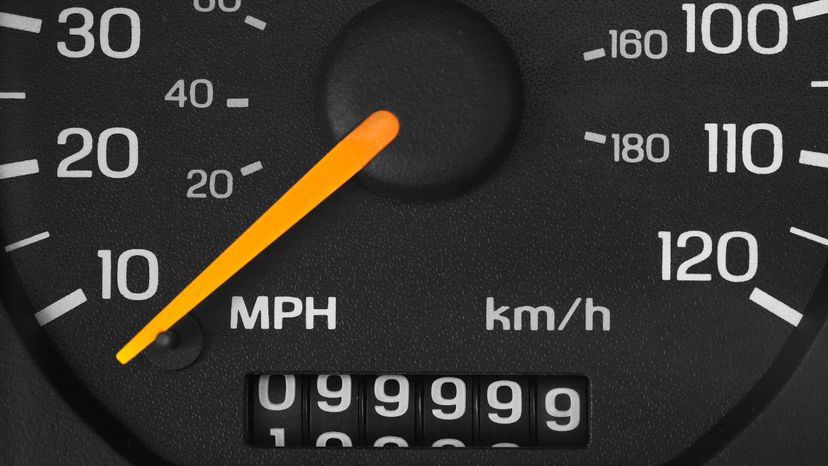
An analog odometer has several small wheels side by side. Each wheel displays one digit from 0 to 9. These wheels spin as the car moves. The wheels usually look like small rotating drums. You will see the numbers aligned in a row.
Some odometers have a white or differently colored wheel on the right. This wheel shows smaller units. The rest show whole miles.
Understanding The Digits And Their Order
The number wheels read from left to right. The leftmost digit shows the highest place value. For example, it could represent ten-thousands or thousands of miles. Each wheel to the right shows smaller values. The rightmost whole number digit shows single miles.
As you move right, the value of each digit decreases by ten times. Reading the numbers in order gives the total miles driven.
Decoding The Tenths Of A Mile
The small wheel on the far right shows tenths of a mile. It usually has numbers from 0 to 9. This wheel spins faster than the others. It shows how far the car traveled within one mile.
For example, if the main wheels read 12345 and the tenths wheel shows 6, the mileage is 12,345.6 miles. This helps track distance more precisely.
Step-by-step Reading Guide
Reading an analog odometer may seem tricky at first. This guide breaks down the process into simple steps. Follow along to understand how to get the accurate mileage from your vehicle’s odometer. Each step focuses on a key part of the reading process.
Locate The Odometer Display
The odometer display is usually found on the dashboard. It shows numbers on small wheels lined up horizontally. Look for a clear window with digits inside. This is where the mileage is recorded.
Read Each Number Wheel Sequentially
Start from the left side of the odometer. Read each wheel’s number one by one. Each wheel shows a single digit from 0 to 9. Note the digits carefully in order as they appear.
Combine The Digits For Total Mileage
After reading all digits, combine them to form the total mileage. The full number represents how many miles the vehicle has traveled. This total helps you track vehicle use and maintenance needs.
Spotting Odometer Rollbacks
Spotting odometer rollbacks is important when checking used cars. Rollbacks hide the true mileage, affecting the car’s value and reliability. Analog odometers are more prone to tampering than digital ones. Knowing signs of rollback helps buyers avoid scams. Focus on physical tampering, number alignment, and mileage consistency.
Signs Of Physical Tampering
Check the odometer casing for scratches or tool marks. Loose or damaged screws may indicate forced entry. Numbers that look worn unevenly can be a red flag. Dirt or grease inside the odometer window is suspicious. These signs often point to manual tampering attempts.
Checking For Misaligned Numbers
Look closely at the digits on the odometer. Numbers should line up perfectly without gaps or overlaps. Misaligned or crooked numbers suggest the odometer was rolled back. Each digit wheel must fit snugly next to the others. Any shift or uneven spacing can mean the reading is altered.
Verifying Mileage Consistency
Compare the odometer reading with the car’s service records. Mileage should increase steadily over time. Sudden drops or inconsistent jumps in numbers are suspicious. Inspect the condition of the car parts; heavy wear with low mileage is a warning. Consistent mileage helps confirm the odometer’s accuracy.
Maintaining Accurate Mileage
Maintaining accurate mileage is essential for tracking your vehicle’s performance and planning maintenance. An analog odometer shows the total miles driven. Keeping precise records helps you know when to service your car and can protect you from odometer fraud. Simple steps can make your mileage tracking reliable and easy.
Regularly Recording Odometer Readings
Check your odometer every week or after long trips. Write down the numbers in a notebook or use a phone app. This habit helps you monitor your driving distance. It also makes it easier to spot any errors or sudden changes in mileage.
Using The Trip Meter For Short Distances
The trip meter resets to zero and measures small distances. Use it for daily trips or fuel tracking. Reset the trip meter before starting a new trip. This method gives you quick, accurate distance info without affecting the main odometer reading.
Avoiding Common Reading Mistakes
Read the numbers carefully from left to right. Check that all digits are aligned and clear. Do not guess numbers or skip digits. Avoid reading in poor light or when the odometer is dirty. Clear visibility ensures correct mileage and prevents errors.
Credit: auto.howstuffworks.com
Analog Vs Digital Odometers
Analog and digital odometers both measure the distance a vehicle travels. They serve the same purpose but differ in how they display the information. Understanding these differences can help you read your vehicle’s mileage accurately. Knowing how each type works also helps spot any irregularities.
Differences In Reading Methods
Analog odometers use rotating number wheels to show mileage. Each wheel turns as the vehicle moves. You read the numbers left to right to get the total miles. Digital odometers display numbers on a screen. The reading is straightforward, showing miles in digits. Analog requires watching physical dials, while digital shows a simple number.
Risks Of Odometer Manipulation
Analog odometers are easier to tamper with by rolling the numbers back. This can hide the true mileage and affect the vehicle’s value. Digital odometers are harder to alter but not impossible. They may require special tools or software. Both types have risks, but analog systems are more prone to fraud.
Advantages Of Mechanical Systems
Mechanical odometers are simple and reliable. They do not need power to work, so they show mileage even if the battery dies. Many people trust mechanical systems for their durability. They also offer a clear, physical record of mileage. This makes them useful for older vehicles and classic cars.
Frequently Asked Questions
How To Read A Digital Odometer?
To read a digital odometer, simply look at the numbers displayed on your dashboard. The digits show total miles or kilometers driven. Some models include a decimal for tenths. Reset trip meters separately to track specific distances. Always check your vehicle’s manual for specific details.
How Does An Analog Odometer Work?
An analog odometer uses a rotating cable linked to the vehicle’s wheels. This rotation turns numbered dials, showing distance traveled. Each dial represents units, tens, hundreds, and so on. Mechanical gears advance the numbers as the vehicle moves. This system provides a visual mileage reading.
Can People Roll Back Digital Odometers?
Yes, people can roll back digital odometers, but it requires technical skill and is illegal. Digital odometer tampering involves circuit or chip alterations.
How To Tell If An Analog Odometer Has Rolled Over?
Check for misaligned, crooked, or uneven numbers on the analog odometer. Physical tampering often causes these signs.
Conclusion
Reading an analog odometer is simple with practice and attention. Focus on each rotating number carefully. Remember, the last digit often shows tenths of a mile. Watch for misaligned or crooked numbers; they might indicate tampering. Regularly checking your odometer helps track your vehicle’s mileage accurately.
Understanding this skill can save you from confusion or mistakes. Keep your eyes on the dials, and reading will become easier over time. This knowledge is useful for any driver, especially those with older cars. Stay confident and trust your observations.
Related posts:
 Is It Illegal to Have Led Lights Inside Your Car? Know the Facts!
  Can You Vinyl Wrap a Leased Car? Essential Tips Revealed
  Can You Leave a Laptop in a Hot Car? Shocking Risks Revealed
  Can You Put a Wrap on a Leased Car? Essential Tips Revealed
  Is It Legal to Drive Without a Windshield? Shocking Truth Revealed
  Is It Illegal to Park in Front of a Mailbox? Know the Rules Now!
  Is It Illegal to Blast Music in Your Car? Know the Laws Now
  Is It Illegal to Park in Front of a Driveway? Know the Rules!
  How to Read Odometer in Bike? Easy Steps for Accurate Tracking
  How to Read an Old Odometer? Expert Tips to Decode Mileage
