 Skip to content
Have you ever glanced at your car’s dashboard and wondered what those numbers on the odometer really mean? Knowing how to read an odometer is more important than you might think.
It helps you track your vehicle’s total mileage, plan maintenance, and even spot potential issues before they become costly. Whether you’re buying a used car, keeping tabs on your own vehicle, or just curious, understanding your odometer can save you time and money.
Keep reading, and you’ll learn exactly how to read an odometer quickly and easily—no confusing jargon, just straightforward tips you can use right away.
Odometer Basics
An odometer measures the distance a vehicle travels. It helps track total miles or kilometers driven. Understanding an odometer is important for vehicle maintenance and resale value.
Odometers come in different types and display formats. Knowing these basics makes reading the odometer simple and clear.
Types Of Odometers
There are two main types of odometers: mechanical and digital. Mechanical odometers use gears and wheels to count distance. Digital odometers use electronic sensors and display numbers on a screen. Each type shows the vehicle’s mileage but in different ways.
Mechanical Vs Digital
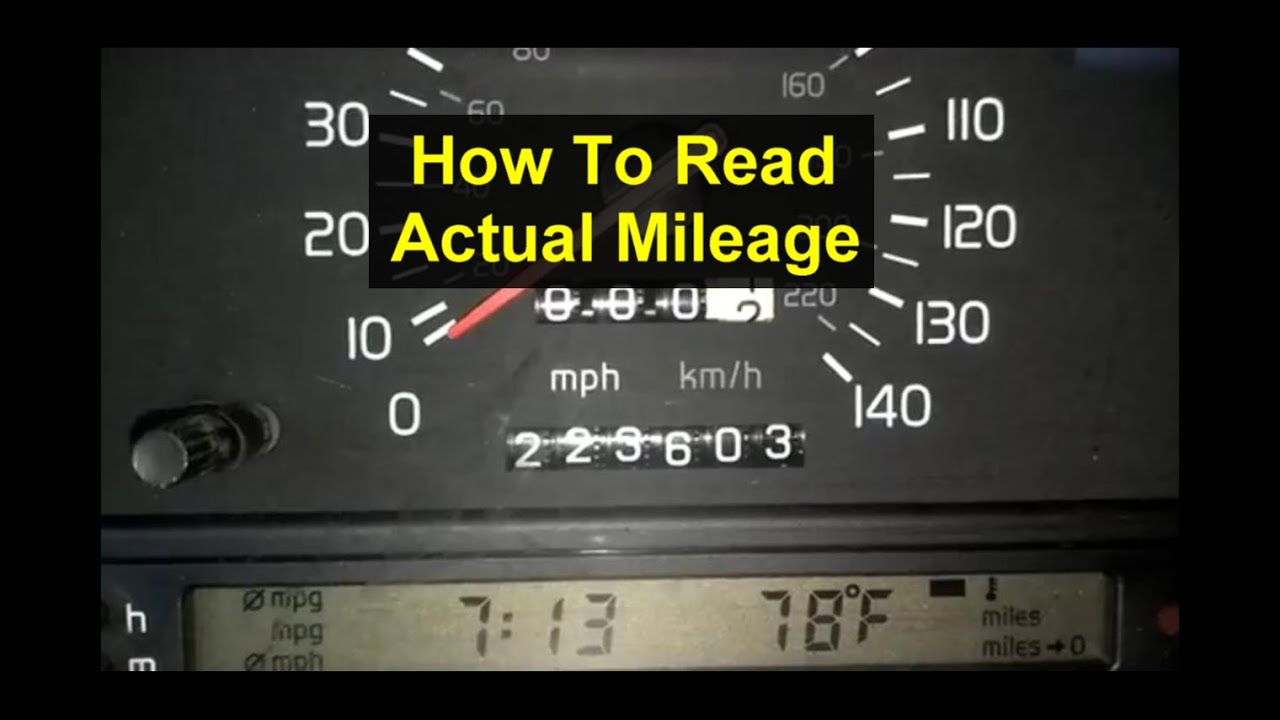
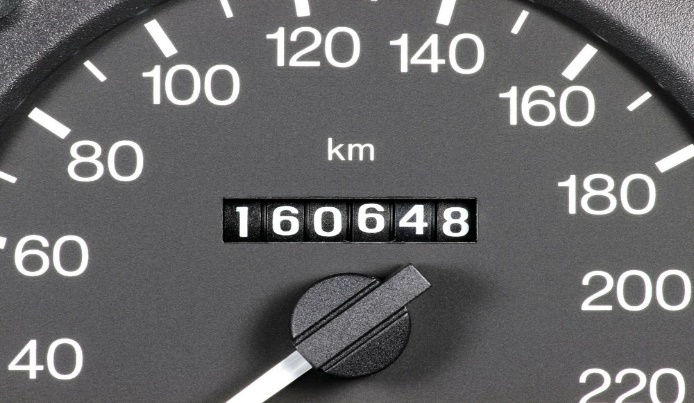
Mechanical odometers have rotating number wheels. These wheels turn as the vehicle moves. Digital odometers show mileage as numbers on an LCD or LED screen. Digital models are easier to read and harder to tamper with. Mechanical odometers are older and less common today.
Common Display Formats
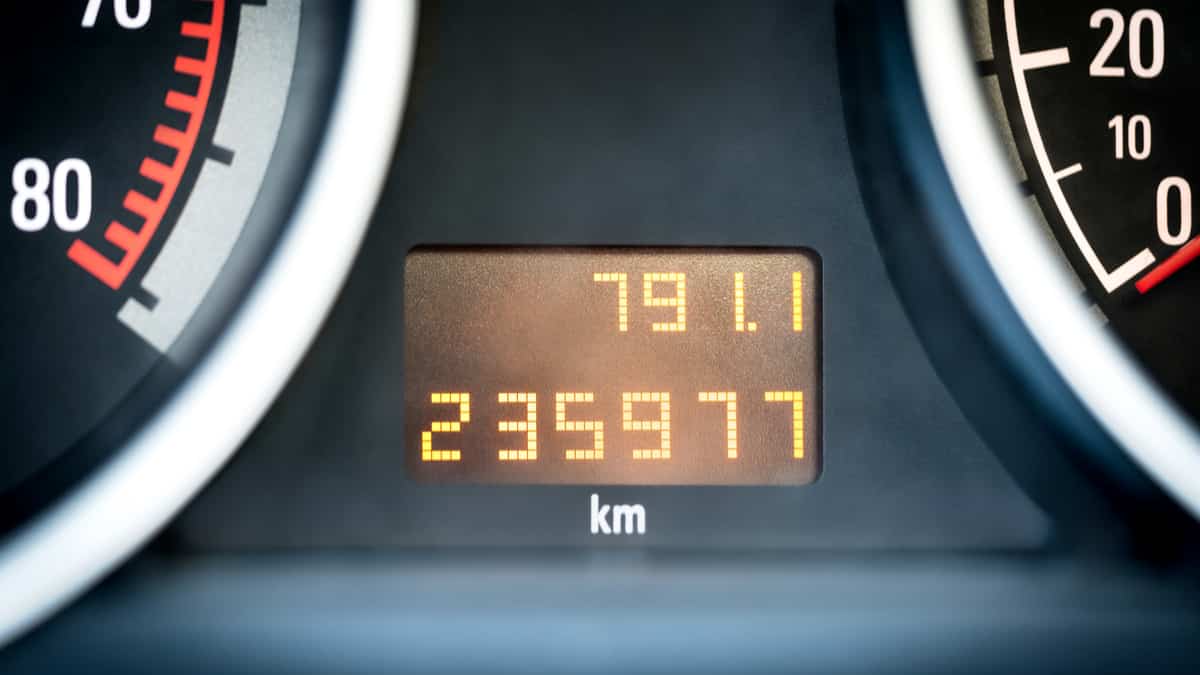
Odometer readings usually appear as a string of numbers. The numbers represent total miles or kilometers traveled. Some displays include a decimal point for tenths of a mile. Trip odometers show distance for a single trip and can be reset. Main odometers cannot be reset and show lifetime distance.
Credit: www.gmride.com.my
Reading Mileage Quickly
Reading your car’s mileage quickly helps you keep track of your vehicle’s use. It saves time and avoids confusion. Knowing how to read the odometer fast is useful for daily drives and long trips. It also helps you monitor maintenance schedules and fuel efficiency.
This section covers simple ways to read mileage and use trip meters effectively. Learn how to identify total miles, use trip meters, and reset them for tracking distance.
Identifying Total Miles
The odometer shows the total miles your car has traveled. It is usually located on the dashboard. Look for a digital or mechanical display with numbers. The number on the odometer is the total mileage. It does not reset unless the odometer is replaced.
Check the numbers carefully. The display may have decimal points or be all whole numbers. The number tells you how far the car has driven since new.
Using Trip Meters
Trip meters track distance for a specific trip or time. Most cars have one or two trip meters. They show miles driven since last reset. Use trip meters to measure fuel use or distance between stops.
Trip meters are near the odometer. They usually have a button to switch between meters. Read the trip meter numbers like the odometer for quick mileage info.
Resetting And Tracking Distance
Resetting trip meters lets you start measuring a new distance. Press and hold the trip meter button until the numbers go to zero. This action clears the old distance. You can track new trips or fuel usage from zero again.
Reset often to keep accurate records. Use trip meters for work, road trips, or fuel tracking. Resetting and reading trip meters quickly helps you manage your driving better.
Miles Vs Kilometers
Understanding whether your odometer shows miles or kilometers is key to tracking your vehicle’s distance accurately. Cars in different countries use different units, and knowing this helps you avoid confusion. This section explains how to spot the unit, switch between them, and why it is important.
Spotting The Unit Of Measurement
Look closely at the odometer display. Most show a small label near the numbers. It might say “mi” for miles or “km” for kilometers. Some older cars have a mechanical odometer with units printed nearby. Knowing this helps you understand the distance your car has traveled.
Switching Between Units
Modern cars often allow switching between miles and kilometers. Check your vehicle’s dashboard buttons or menu settings. Sometimes, holding down a button near the odometer changes the unit. The owner’s manual can guide you through this process. Switching units helps when you travel to countries using different measurements.
Why It Matters
Using the right unit prevents errors in distance calculation. It affects fuel economy tracking and maintenance schedules. Insurance and resale value may also depend on accurate mileage. Knowing if your odometer reads miles or kilometers ensures you use the correct information for your vehicle care.
Checking Odometer Accuracy
Checking the accuracy of an odometer is important before buying or selling a vehicle. The odometer shows how many miles or kilometers a car has traveled. Sometimes, odometers can be tampered with to hide the true mileage. This can affect the car’s value and condition. Knowing how to check if the odometer is accurate helps you avoid problems later.
Signs Of Tampering
Look for scratches or marks around the odometer. These may show someone tried to open it. Check if the numbers are not aligned properly. Sudden changes in mileage records can be a warning. The dashboard lights might flicker or go off when the car starts. These signs can mean the odometer was tampered with.
Using Obd-ii Scanners
OBD-II scanners connect to the car’s computer. They can read the true mileage stored inside the system. This tool is easy to use and gives quick results. Mechanics and buyers use scanners to verify odometer readings. It is a reliable method to check the real distance the car has traveled.
Verifying With Vehicle History
Vehicle history reports contain past mileage records. These reports include data from inspections and services. Compare the odometer reading with the report’s mileage entries. Consistent numbers mean the odometer is likely accurate. Differences may signal mileage rollback or errors. Always review the vehicle history before making a decision.
Mileage Standards For Used Cars
Understanding mileage standards helps you judge a used car’s condition. Mileage shows how much the car has been driven. It affects price and expected life. Knowing the norms for mileage by age guides better decisions.
Not all mileages mean the same. Some miles cause more wear than others. This section explains average mileage, what is high mileage, and factors that change mileage value.
Average Mileage By Age
Cars typically run about 12,000 miles yearly. A five-year-old car usually has around 60,000 miles. Ten years means about 120,000 miles on the odometer. This rule of thumb helps spot unusual mileage.
Lower mileage may suggest less use but check for hidden issues. Higher mileage could mean heavy use but not always poor condition.
What Counts As High Mileage
High mileage usually means over 100,000 miles. Cars over 150,000 miles are often considered very high mileage. These cars may need more repairs soon. Some models handle high mileage better than others.
High mileage can lower car value but don’t rely on number alone. Condition and maintenance history matter more.
Factors Affecting Mileage Value
Not all miles wear a car equally. Highway driving is easier on the car than city driving. Stop-and-go traffic adds more stress to the engine and brakes.
Check vehicle history for accidents or poor maintenance. A well-kept high-mileage car can be better than a low-mileage neglected one.
Climate also affects wear. Cars in harsh weather may age faster despite low mileage.
Maintenance And Mileage
Understanding the relationship between maintenance and mileage is key to keeping your vehicle in good shape. The odometer shows the total miles driven, which helps track when to perform services. Regular maintenance based on mileage ensures your car runs smoothly and safely. It also helps prevent costly repairs down the road.
Service Milestones
Cars need specific services at certain mileage points. Common milestones include 5,000, 10,000, and 30,000 miles. At these points, mechanics check oil, brakes, tires, and other parts. Following these milestones keeps the engine healthy and the car reliable. Skipping services can lead to bigger problems later.
Importance Of Maintenance Records
Keeping a record of all maintenance helps track what has been done and what is due. These records prove the car was cared for, which is useful when selling. A well-documented maintenance history often means the car lasts longer. It also helps mechanics know the car’s condition quickly.
Impact Of Driving Conditions
Mileage alone does not tell the whole story. Driving in heavy traffic, rough roads, or extreme weather wears parts faster. Short trips cause more engine wear than long highway drives. Knowing your driving conditions helps adjust maintenance schedules. This keeps the car in better shape for its mileage.
Expert Tips For Buyers
Buying a used car requires careful attention to its mileage. Understanding how to read an odometer helps buyers evaluate the vehicle’s condition. Low mileage often means less wear, but numbers alone do not tell the full story. Use these expert tips to make smarter buying decisions.
Assessing Mileage In Sales
Check the odometer reading closely. Compare mileage to the car’s age. Average yearly mileage is about 12,000 to 15,000 miles. High mileage may signal more maintenance needs. Very low mileage could mean the car was unused or stored. Look for consistency with the vehicle’s service records. Mileage should match the car’s condition and history.
Questions To Ask Sellers
Ask the seller how they used the car. Inquire about highway versus city driving. Highway miles cause less wear than city stop-and-go traffic. Request service and maintenance records to confirm mileage. Verify if the odometer has been replaced or repaired. Ask if the car had any accidents or major repairs. Honest answers help avoid surprises later.
Using Mileage To Negotiate Price
Mileage directly affects a car’s value. Higher mileage usually lowers the price. Use the odometer reading to justify your offer. Point out any signs of heavy use or repairs. Consider the cost of future maintenance for high-mileage cars. Low-mileage cars often deserve a higher price. Balance mileage with overall vehicle condition for fair negotiation.
Credit: www.youtube.com
Credit: www.gmride.com.my
Frequently Asked Questions
How To Tell If An Odometer Is Km Or Miles?
Check the odometer display for “km” or “mi” labels. Refer to the vehicle’s manual for measurement units. Digital odometers often show units clearly.
What Does It Mean When A Car Is Over 100,000 Miles?
A car with over 100,000 miles shows significant use but can still run well. Regular maintenance and driving conditions matter more than mileage alone.
What Is A Normal Odometer Reading?
A normal odometer reading averages 12,000 to 15,000 miles per year. Mileage varies by vehicle age and usage.
Is 60,000 Miles On A Car A Lot?
60,000 miles is moderate for a used car. Well-maintained vehicles can run smoothly beyond this mileage. Check service records and driving conditions for best insight.
Conclusion
Reading an odometer is simple once you know what to look for. The numbers show how far a vehicle has traveled. Always check if the odometer measures miles or kilometers. Understanding this helps you track car usage and plan maintenance.
Regularly reading your odometer keeps you informed about your vehicle’s condition. This small step can save money and prevent problems. Keep practicing, and reading an odometer will become second nature.
Related posts:
 Is It Illegal to Have Led Lights Inside Your Car? Know the Facts!
  Can You Vinyl Wrap a Leased Car? Essential Tips Revealed
  Can You Leave a Laptop in a Hot Car? Shocking Risks Revealed
  Can You Put a Wrap on a Leased Car? Essential Tips Revealed
  Is It Legal to Drive Without a Windshield? Shocking Truth Revealed
  Is It Legal to Drive Without a Shirt? Shocking Truth Revealed!
  Is It Illegal to Park in Front of a Mailbox? Know the Rules Now!
  Is It Illegal to Park in Front of a Driveway? Know the Rules!
