 Skip to content
Have you ever come home to find a car blocking your driveway? It’s frustrating, right?
You might wonder, “Is it illegal to park in front of a driveway? ” The answer isn’t always simple, but it’s important to know your rights and what the law says. Whether you’re dealing with a neighbor who’s careless or just curious about parking rules, this article will clear things up for you.
Keep reading to learn what’s allowed, what’s not, and what steps you can take if your driveway gets blocked. Don’t let someone else’s parking habits ruin your day—understand the rules and protect your space.

Credit: www.motoringresearch.com
Driveway Blocking Laws
Driveway blocking laws are designed to keep access clear for property owners and emergency services. Parking in front of a driveway can create major problems. It restricts vehicle movement and can delay urgent help. These laws vary but generally prohibit blocking any part of a driveway. Understanding these rules helps avoid fines and towing.
General Parking Restrictions
Most places have strict rules against parking in front of driveways. Even partial blocking is often illegal. Vehicles must not stop or park where they block a driveway entrance. This rule applies at all times. It ensures owners can enter or exit freely. Drivers should always check for driveway markings or signs.
State And Local Variations
Driveway blocking laws differ by state and city. Some areas allow brief stops for loading or unloading. Others ban any parking near driveways, no exceptions. Local governments may set specific distances to keep clear. For example, a city might require 5 feet of clearance. Checking local laws is crucial to avoid penalties.
Penalties For Blocking
Penalties for blocking driveways can be severe. Common punishments include tickets, fines, and towing. Towing fees can be expensive and inconvenient. Repeat offenders may face higher fines or license points. Police or parking enforcement officers usually handle violations. Prompt removal of the vehicle is often required.

Credit: www.reddit.com
Defining Driveway Blockage
Driveway blockage happens when a vehicle or object stops access to a driveway. It can cause inconvenience or safety problems for homeowners and drivers. Understanding what counts as blocking a driveway helps avoid legal trouble and community disputes.
Complete Vs Partial Blockage
Complete blockage means the driveway is fully covered by a car or object. No vehicles can enter or exit the property. Partial blockage happens when only a part of the driveway is blocked. Even a small obstruction can make driving difficult or impossible.
Types Of Obstructions
Vehicles are the most common obstruction. Cars, trucks, and motorcycles can block driveways. Other items like trash bins, furniture, or construction materials can also block access. Any obstacle that limits or stops entry counts as a blockage.
Distance Limits
Most places have rules about how close you can park to a driveway. Usually, parking within a few feet of the driveway entrance is illegal. Even partial blocking by a few inches can result in fines or towing. Always check local laws for exact distance rules.
Legal Actions When Blocked
Dealing with a blocked driveway can be stressful. Legal actions are available to protect your right to access your property. Knowing what steps to take helps you act quickly and correctly. The following sections explain how to handle the issue through authorities, towing, and neighbor relations.
Contacting Authorities
Start by contacting local law enforcement. Police can verify if a vehicle is illegally blocking your driveway. They may issue a ticket or warning to the driver. Authorities can also help identify the vehicle owner. This step creates an official record of the problem.
Towing Procedures
When a car blocks your driveway for a long time, towing may be necessary. Authorities often coordinate with towing companies to remove the vehicle. Usually, the car owner must pay fees to retrieve their vehicle. Follow local laws to avoid liability issues during towing.
Resolving Neighbor Disputes
Sometimes, driveway blocking happens with neighbors. Open communication can prevent future conflicts. Politely explain how blocking affects your access. Seek a compromise or parking arrangement that works for both parties. If disputes continue, mediation services may help resolve the issue legally.
Credit: www.youtube.com
Parking Rules In Texas
Parking rules in Texas focus on safety and accessibility. The state sets clear laws about where you can and cannot park. These rules help prevent accidents and keep driveways clear for homeowners and emergency vehicles. Understanding these laws is important for every driver in Texas.
Public Road Parking
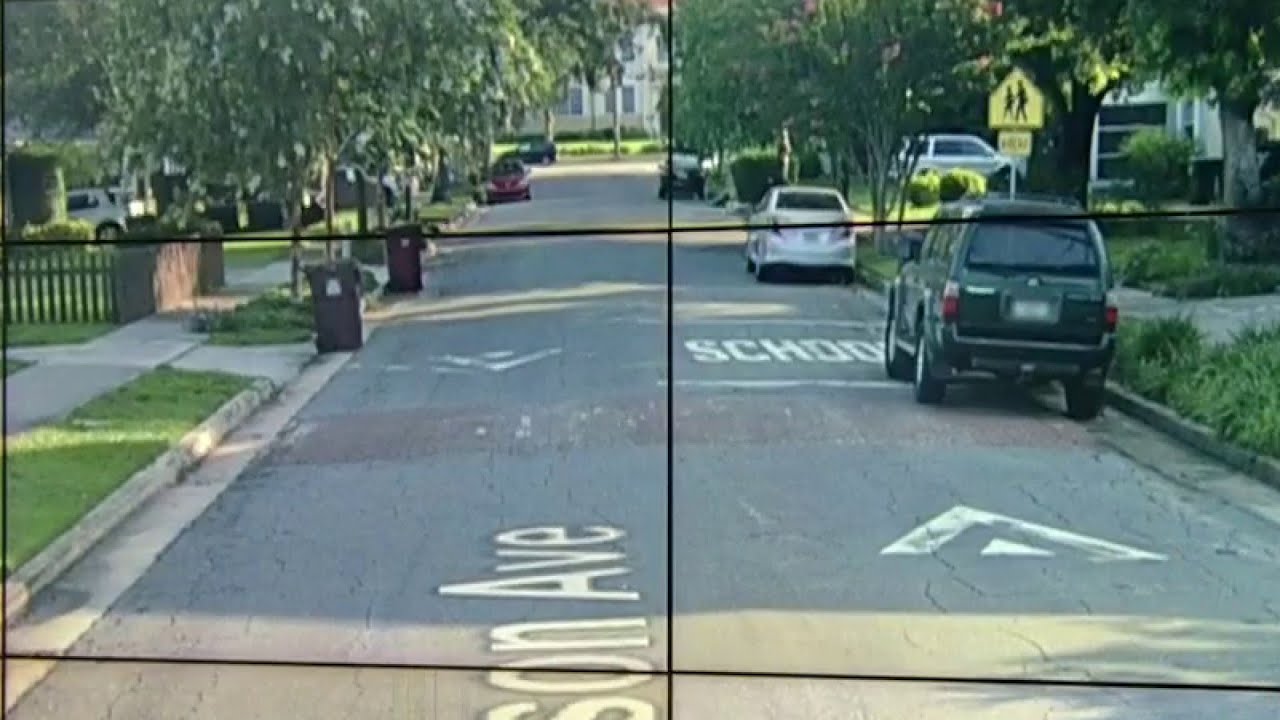
Parking on public roads in Texas is allowed only in marked areas or where signs permit it. Parking too close to intersections or fire hydrants is illegal. Drivers must follow local signs and street markings to avoid tickets. Always check for any parking restrictions before leaving your vehicle.
Restrictions Near Driveways
Parking in front of a driveway is illegal in Texas. Even partially blocking a driveway can result in a fine. Driveways must remain clear to allow easy entry and exit for vehicles. Blocking a driveway can lead to towing and penalties. Respecting driveway access is crucial for all drivers.
Sidewalk And Curb Regulations
Parking on sidewalks is not allowed in Texas. Vehicles must stay off the sidewalk to avoid blocking pedestrians. Curbs painted red or marked with no-parking signs indicate parking restrictions. Drivers should park parallel to the curb and within legal boundaries. Following these rules ensures safety for everyone.
Common Misconceptions
Many people have wrong ideas about parking rules near driveways. These common misconceptions cause confusion and sometimes illegal parking. Understanding the truth helps avoid fines and conflicts with neighbors.
Parking In Front Of Own Driveway
Some believe parking in front of their own driveway is always allowed. This is not true in many places. Even if it is your property, blocking the sidewalk or street can be illegal. Always check local laws before parking there.
Parking Across From Driveways
People think parking across from a driveway is safe. It might be allowed, but it depends on local rules. Parking too close to a driveway entrance can block sight lines or access. This can lead to tickets or fines.
Parking On Sidewalks
Parking on sidewalks is often misunderstood. Many believe it is okay if no cars are coming. Parking on sidewalks blocks pedestrians and can damage the pavement. It is usually illegal and can result in fines.
Tips To Avoid Driveway Conflicts
Driveway conflicts cause frustration and stress. Avoiding these issues helps keep peace in your neighborhood. Simple steps can prevent parking problems and blocked access. Follow these tips to respect driveways and keep good relations.
Clear Signage
Use visible signs to mark your driveway clearly. Signs help visitors and neighbors know not to park there. Bright colors and bold letters work best. Place signs at eye level near the driveway entrance. This reduces accidental blocking and confusion.
Communication With Neighbors
Talk with your neighbors about parking rules. Friendly conversations prevent misunderstandings and parking disputes. Let them know why driveway access is important to you. Agree on parking habits that work for everyone. Clear communication builds trust and respect.
Alternative Parking Options
Offer or find other parking spots near your home. Suggest street parking or a nearby lot for guests. This keeps driveways open and avoids conflicts. Make sure alternative spots are legal and safe. Planning ahead helps everyone park without problems.
Frequently Asked Questions
What Can I Do If Someone Blocks My Driveway?
Call local police to report the blocked driveway. They can ticket or tow the vehicle. Communicate with the neighbor to prevent future issues.
What To Do If Someone Parked In Front Of Your Driveway?
Call local authorities to report the blocked driveway. Avoid confrontation and wait for police assistance. They may ticket or tow the vehicle. Try communicating with the vehicle owner to prevent future issues. Always follow local parking laws to resolve the situation legally and safely.
What Is Considered Blocking A Driveway?
Blocking a driveway means parking or placing objects that prevent vehicle entry or exit. Even partial obstruction counts as blocking.
How Much Is Considered Illegal When Blocking A Driveway?
Blocking any part of a driveway is illegal in most areas. Even an inch of obstruction can lead to fines or towing. Always keep driveways fully accessible to avoid violations.
Conclusion
Parking in front of a driveway is generally illegal. It blocks access and causes inconvenience. Local laws usually prohibit even partial blockage. Always respect driveway access to avoid fines or towing. Clear driveways help traffic flow smoothly. Being considerate keeps neighborhoods friendly and safe.
Remember, a blocked driveway can lead to legal trouble. Avoid parking there to save time and stress. Keep streets accessible for everyone’s benefit.
Related posts:
 Is It Illegal to Have Led Lights Inside Your Car? Know the Facts!
  Can You Vinyl Wrap a Leased Car? Essential Tips Revealed
  Can You Leave a Laptop in a Hot Car? Shocking Risks Revealed
  Can You Put a Wrap on a Leased Car? Essential Tips Revealed
  Is It Legal to Drive Without a Windshield? Shocking Truth Revealed
  Is It Illegal to Park in Front of a Mailbox? Know the Rules Now!
